
Fire Safety Violation Types: A Practical Taxonomy for Audit Software Buyers
Fire safety violations are not just "missing extinguishers." In real inspections, problems usually come from a chain of small failures: an exit route is technically present but blocked, the alarm was installed but not tested, a fire door exists but is propped open, or the written plan no longer matches the building.
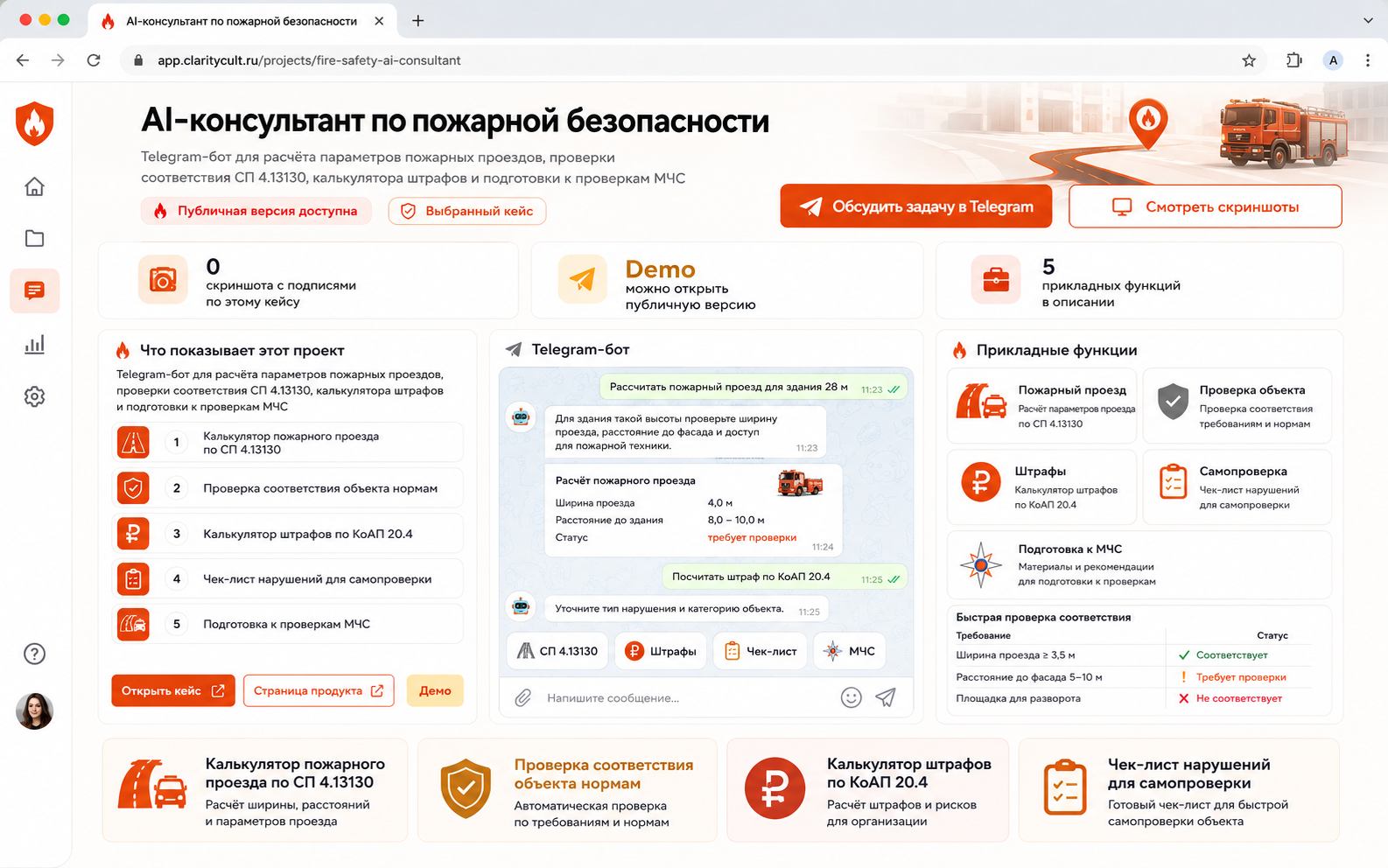 This English version is intentionally jurisdiction-neutral. The original product behind this page includes local regulatory logic for a specific market, but that should not be copied into a global article. If you are buying software or consulting in 2026, use this taxonomy to structure requirements, then map each item to your local code, insurer rules and authority having jurisdiction.
Key takeaways
- Useful fire safety software should separate life-safety risks, equipment risks, operational risks and documentation risks.
- The most dangerous violations are often visible every day: blocked exits, disabled alarms, wedged fire doors and poor housekeeping.
- A checklist is not enough unless it records evidence, responsible person, due date and verification after remediation.
- For global buyers, avoid tools that hard-code one country's rulebook unless your property portfolio is limited to that jurisdiction.
- AI-assisted drafting was used for this article. In our experience designing audit workflows, the taxonomy below is more useful than a country-specific legal translation for global buyers.
A Practical Classification of Fire Safety Violations
| Category | Typical violation | Why it matters |
|---|---|---|
| Exit routes | Blocked corridors, locked doors, missing exit signs, poor emergency lighting | People may not reach a safe place quickly during smoke or panic. |
| Fire detection and alarms | Disabled detectors, untested alarms, unclear notification coverage | Occupants may not receive early warning. |
| Fire suppression | Sprinkler impairment, inaccessible extinguishers, missed service dates | Small incidents can become large losses. |
| Fire doors and compartmentation | Doors propped open, damaged seals, unsealed penetrations | Smoke and flame can spread faster than expected. |
| Electrical and ignition sources | Overloaded sockets, damaged cords, unsafe temporary wiring | Ignition probability increases. |
| Storage and housekeeping | Combustibles near heat sources, blocked panels, poor waste control | Fire load and response time both get worse. |
| Training and drills | Staff do not know evacuation roles or assembly points | The plan fails when people need to act. |
| Records and plans | Outdated floor plans, missing test logs, unclear responsibility | Management cannot prove control or track remediation. |
This structure is more useful than a flat checklist because each category has a different owner. Facilities may own exits and extinguishers. Engineering may own electrical risks. HR or operations may own drills. Compliance may own records.
What Buyers Should Require From Audit Software
A serious fire safety audit tool should support:
- Location hierarchy: site, building, floor, room and asset.
- Evidence capture: photos, notes, measurements and document uploads.
- Severity levels: immediate danger, high priority, routine correction and observation.
- Corrective actions: owner, due date, status and verification photo.
- Recurring inspections: weekly, monthly, quarterly or annual schedules.
- Exportable reports for management, insurer review or external consultant review.
- Local rule mapping without forcing the same rulebook on every country.
For consulting buyers, ask the same questions. A consultant who gives you a PDF with 80 findings but no ownership model has not solved the operational problem.
Red Flags in Fire Safety Automation Projects
Be careful with any product that promises universal legal compliance without asking about building type, occupancy, country, local authority, insurer requirements and maintenance records. Fire safety is local and context-dependent.
Also avoid one-screen "AI verdict" tools. AI can help classify findings, explain remediation options and draft reports, but it should not be the only authority deciding whether a building is safe. Human review remains necessary, especially for high-risk findings and occupied buildings.
The best automation target is repeatable work: collecting evidence, checking whether routine items were inspected, routing tasks to owners and showing what changed since the last visit.
Frequently asked questions
What is the most common fire safety violation?
Across many workplaces, blocked or poorly maintained exit routes are among the most common practical issues. They are easy to create accidentally: temporary storage, furniture, deliveries or locked access controls can turn a compliant route into a risk.
Should software include local legal citations?
Yes, but only after the jurisdiction is defined. A global tool should let you configure local codes and authority requirements. Hard-coded citations from another country can create false confidence.
Can AI inspect fire safety from photos?
AI can help flag visible issues such as blocked exits, missing signs or damaged equipment labels. It cannot verify every hidden condition, service record, alarm circuit or legal requirement from photos alone.
What should be in a remediation report?
A useful report includes finding, location, severity, evidence, required action, owner, due date, completion evidence and reviewer sign-off. Without those fields, issues tend to reappear at the next inspection.
Sources
- OSHA: fire prevention plan requirements
- OSHA: design and construction requirements for exit routes
- Google Search Central: creating helpful, reliable, people-first content
We build internal audit and consulting workflow tools from 300 USDT for focused MVPs with source code handover. Message @onoutnoxon to discuss your building safety workflow, data model and reporting needs.
Learn more on the product page: Fire Safety Consultant.
About the service "Fire Safety Violation Types 2026: Practical Taxonomy"
A practical taxonomy of fire safety violation types for buyers of audit, software and consulting tools: exits, alarms, extinguishers, training and records.